Ophthalmology 1:1 Mentoring · One Workflow From Their Own Data
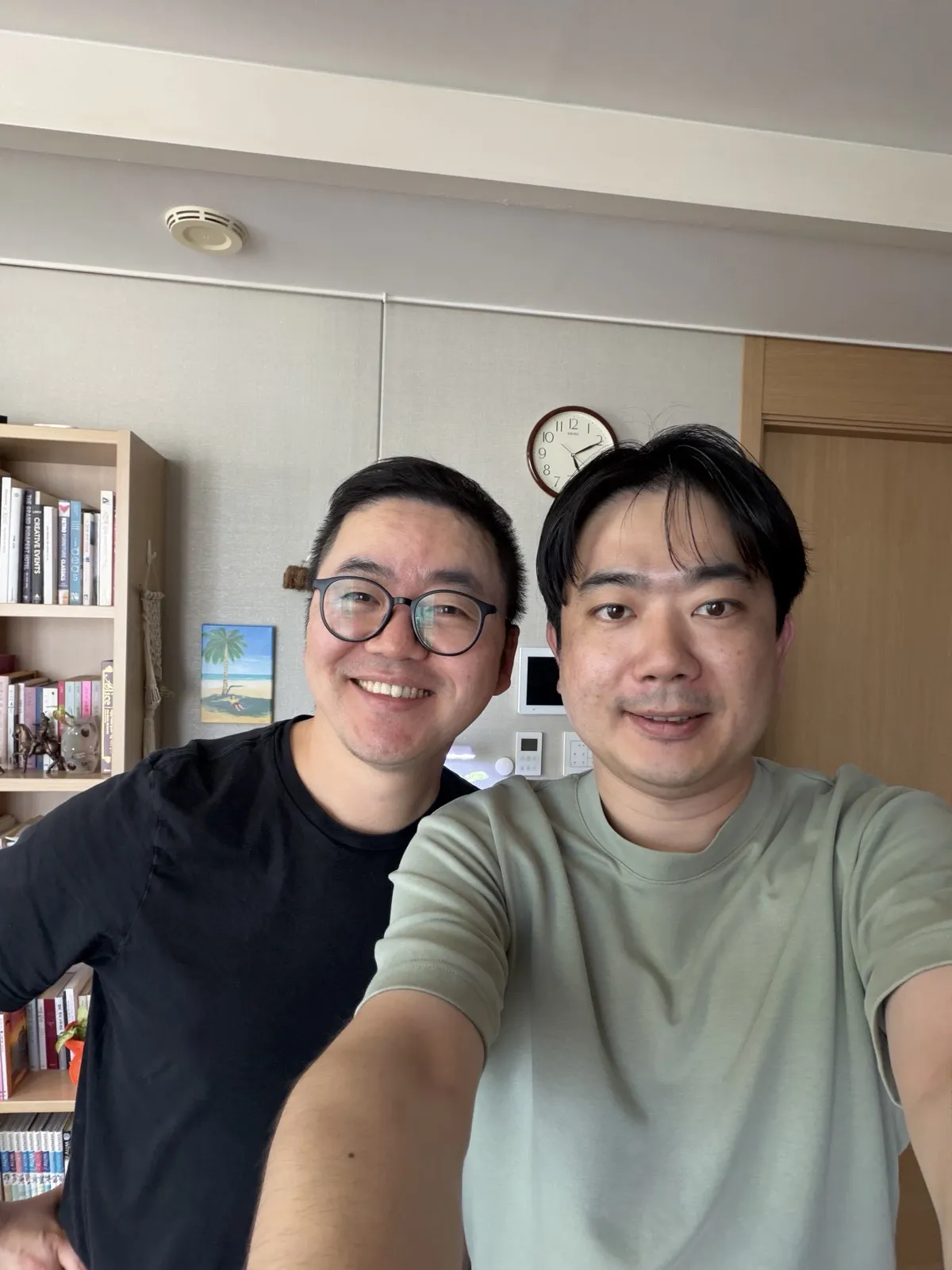
A two-and-a-half-hour one-on-one session with a retina-centre director. We took their own OCT/fundus data, built the first table and figure end-to-end, and left with a workflow they could run by themselves the next day.
Overview
- Date: Saturday, 9 May 2026, 14:00 – 16:30 (2.5 hours)
- Format: One-on-one mentoring (Claude Code, personal laptop)
- Goal: Produce one first table and figure from the participant's own data, and leave with a workflow they can run independently the following week
Why a 1:1 format
In a group hands-on, even the most attentive instructor can only spend about five minutes per person. But the real question for a senior faculty member is usually something on the scale of "what can I see in this dataset I've been collecting for ten years?" — and that question does not get answered in a room of thirty.
So this session gave one person two and a half hours of undivided time. The seven-item install checklist had been sent ahead, and the participant arrived already set up. That meant the entire session could be spent on real data.
What we produced
- A first Table 1 and a first figure from the participant's retinal imaging and clinical CSV data.
- An end-to-end pass: de-identification (
/deidentify) → EDA → table → figure → README handoff. - One analysis scenario to repeat solo the following week, plus two or three research-question candidates for the next month.
The most striking moment was when the participant's clinical experience flowed directly into the variable definitions. A single sentence — "this patient cohort is usually classified like this" — handed to the AI, and the analysis respected that definition all the way through. Ten years of clinical practice compressed into one line.
What I learned
1:1 formats unlock the senior's decade of accumulated domain knowledge. Group workshops are great for the first success experience. 1:1s are great for the one big question only this person can answer. They are complements, not substitutes.
Pre-installation status sets the pace. When setup is already done, you can finish warmup in ten minutes and spend the rest of the time on real work. To approach 100% useful time in a 1:1 session, a pre-survey + self-installation checklist is essential.
What comes next
The workflow we built in this session flows directly into the participant's day-to-day research. The most valuable output a workshop can produce is a single concrete thing handed to the participant — which then becomes next week's analysis and next month's manuscript draft.
Sincere thanks to the host for the time, and for the generous teaching about clinical ophthalmology over the meal that followed.
Voices from the room
“I leave with a workflow I can run on my own starting tomorrow.”
“The biggest surprise was that telling the AI *'my data looks like this'* in one sentence is enough — the analysis follows.”